
Waste disposal
Your waste is more than
just trash. When you sort
it correctly, you reduce
emissions of greenhouse
gases and hazardous
substances and help
ensure that resources
can be reused.
Residual waste is also
expensive. In addition
to the cost of bins and
collection, we currently
pay just over 3 SEK per
kilo of residual waste.
Money that could be used
for important improvements
in our properties.
Food waste
All collected food waste benefits
the climate. It is converted into
biogas that powers city buses
and biofertilizer that nourishes
farmland.
Food waste should be sorted in
the brown paper bag. Bags are
available in our recycling rooms
or waste stations.
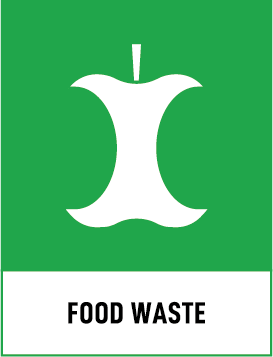
Everything made of organic material is compost, this is for example:
- Leftovers from meat, fish or shellfish
- Eggs and eggshell
- Leftovers from greens or fruit
- Cut flowers and houseplants
- Kitchen paper
- Coffee grounds, coffee filter, and tea-leaf
 |
Important |
| If plastic ends up in the food waste, the entire collection may have to be reclassified as residual waste. It will then be incinerated and the cost increases. | |
Packaging
In most areas, packaging can be sorted
in recycling rooms or waste stations.
Outside the recycling rooms, you will
find area-specific signs that clearly
show what can be sorted there.
Always follow the signage in
your area.
 |
Good to know |
|
Packages don’t need to be clean, but they must be emptied. So it’s not necessary to rinse them.
|
|
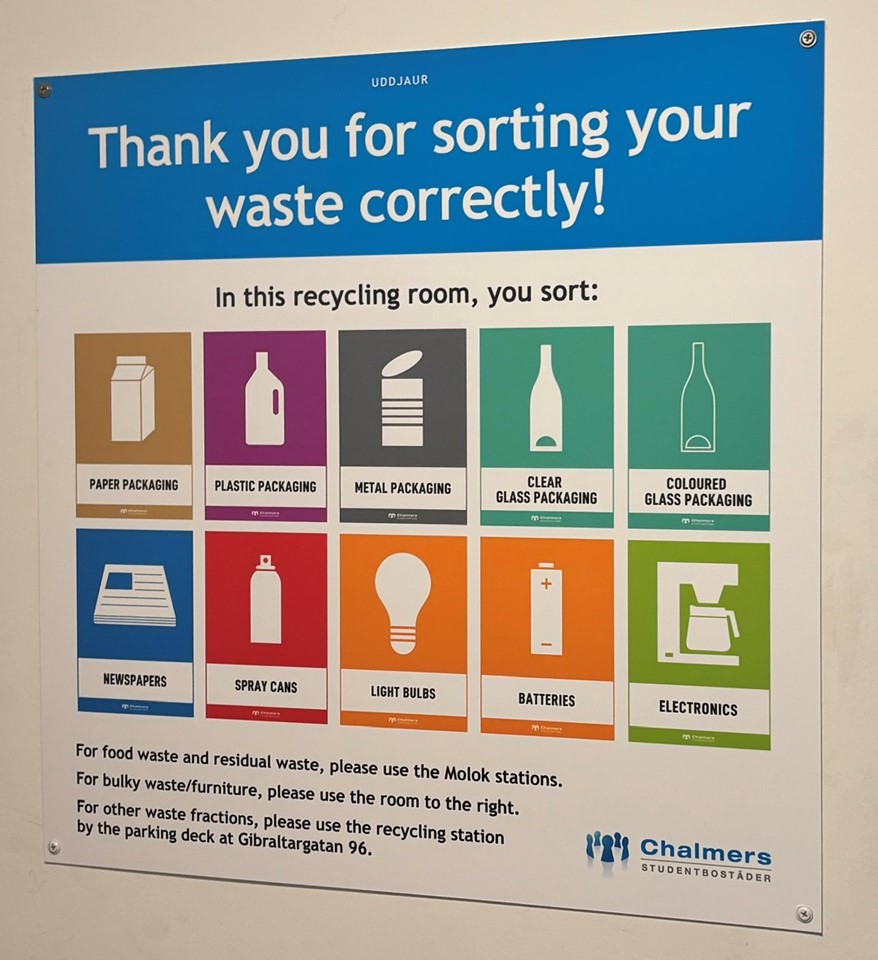
Example of signage in our recyling rooms.
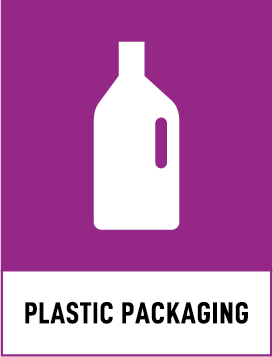
- Plastic bags
- Chip bags
- Refill packs
- Shampoo and conditioner bottle
- Packaging for shampoo and conditioner
- Food packaging
- Styrofoam
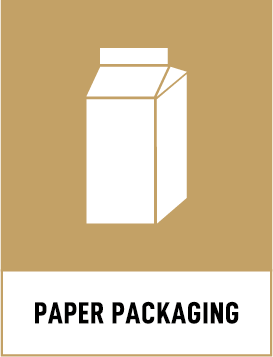
- Juice boxes in paper
- Milk packages
- Package for coffee filters
- Package for multiple sodas/beers
- Package for pasta
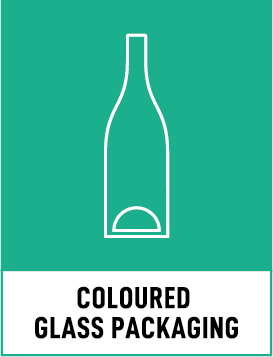
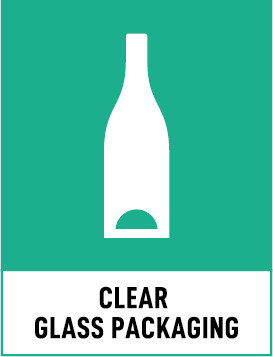
- Glass jars
- Glass bottles
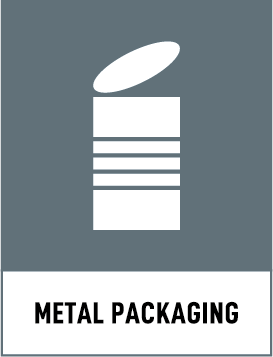
- Caps
- Aluminium foil
- Tin cans
- Metal tubes, e.g. caviar tube, tomato purée
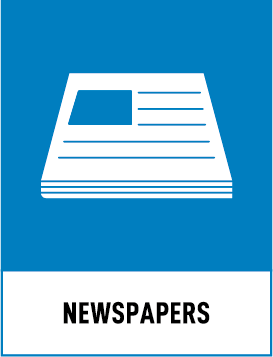
- Daily newspapers
- Weekly magazines
- Magazines/Journals
- Catalogues
- Leaflets/Flyers
- Brochures
- Printer paper
- Drawing paper
- Paperbacks
Cooking fat and cooking oil
drain, they solidify and can cause
blockages or flooding both in your
home and in the sewage system.
|
Important |
|
Never pour fat or oil down the sink.
|
|
What to do instead
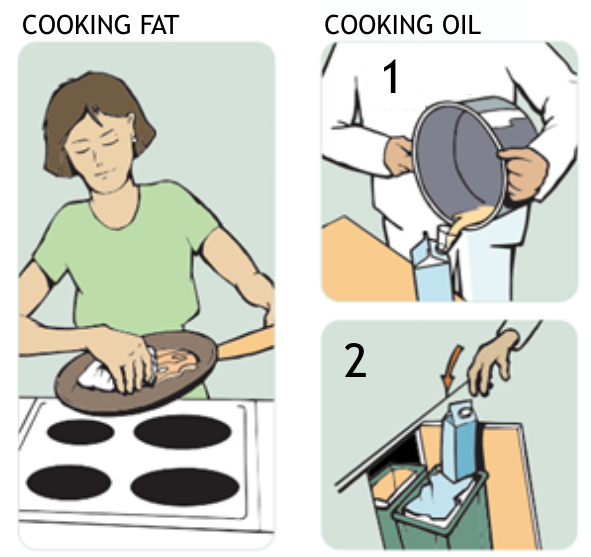
Cooking fat
- Wipe the pan with paper towels.
- Then throw the paper in the food
waste bag or in the residual waste.
Cooking oil
-
Let the oil cool and pour it
into an empty container. -
Throw the container
in the residual waste.
Bulky waste
bulky‑waste rooms. That’s where you leave
large items, such as broken furniture.
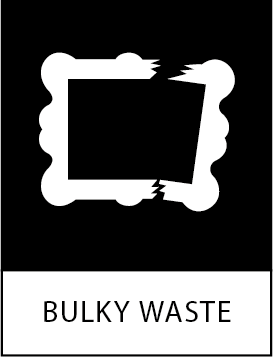 |
- Broken furniture
- Cordless or battery‑free tools
- Scrap metal
Hazardous waste
Hazardous waste must always be disposed of
at designated locations.
Most recycling rooms have containers for:
- Batteries
- Lamps
- Paint
- Spray cans
- Electronics
You can also hand in hazardous waste to
Gothenburg City’s hazardous waste collection truck.
Here is where the hazardous waste truck stops →
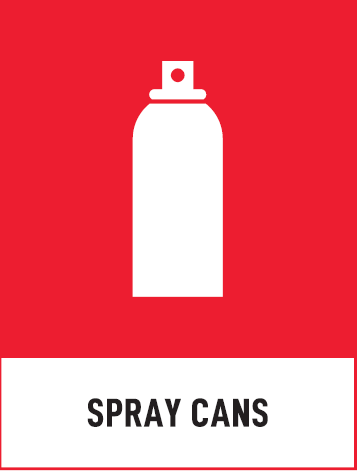
- Spray cans
- Small batteries

- Light bulbs
- Fluorescent tubes
- Low‑energy lamps
- LED lamps
- Mobile phones
- Electric toothbrushes
- Small electric toys
Residual waste
What remains after you’ve sorted everything else
is called residual waste. It is sent for incineration
and used to produce district heating and electricity.
The less residual waste, the better it is for both
the environment and the economy.
- Envelopes
- Bandages
- Cotton swabs
Do you want to donate old furniture? Let Myrorna pick up your stuff →